Grimoire NFT Market Collapses as Enchantment Verification Fails
Investors burned after on-chain spell authentication proved unreliable across planar boundaries, wiping out an estimated 2.1 billion hex-coin in market value.
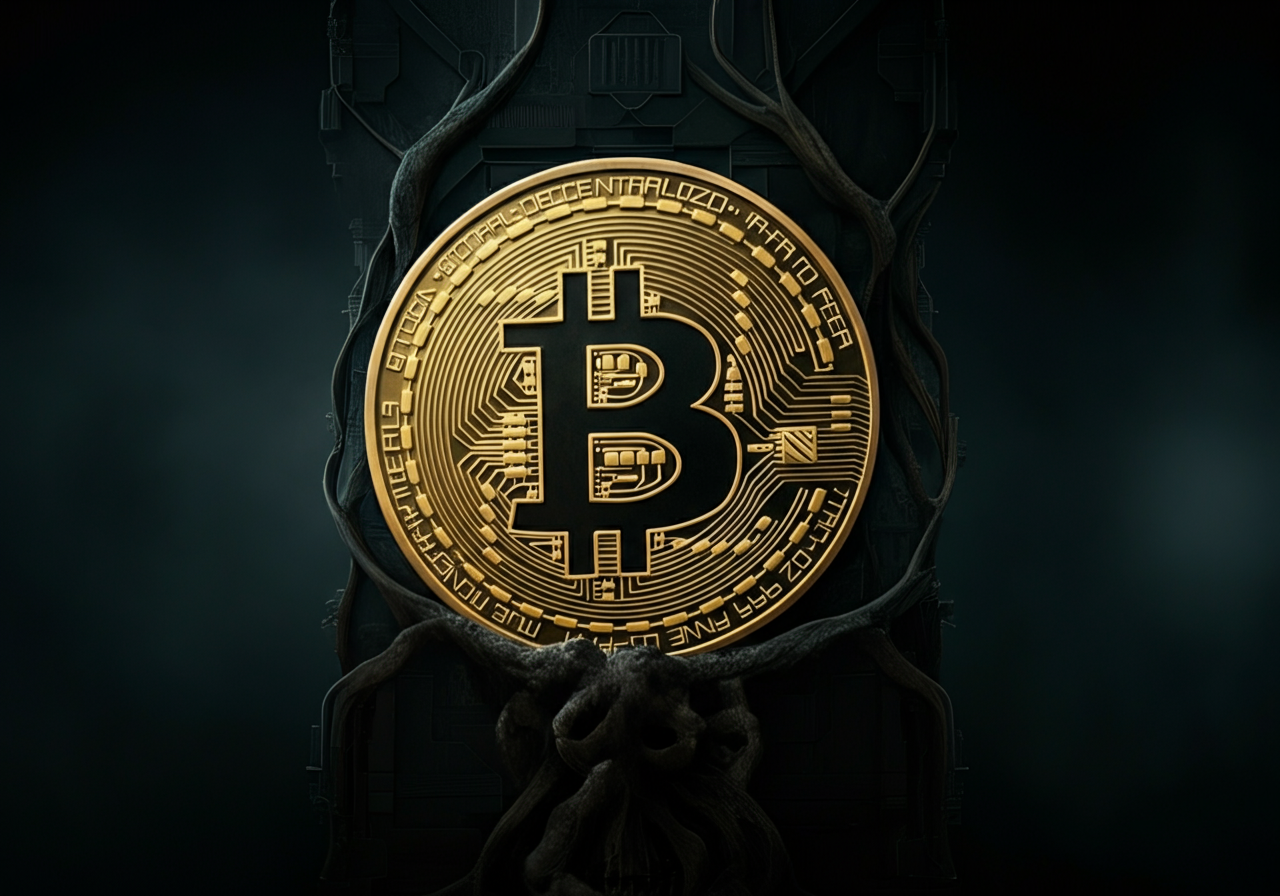
ARCANA FINANCIAL DISTRICT — The nascent grimoire NFT market suffered a catastrophic collapse this week after it emerged that the blockchain-based enchantment verification system underpinning the entire sector cannot reliably authenticate spells across planar boundaries. The failure has wiped out an estimated 2.1 billion hex-coin in market value and left thousands of investors holding digitally tokenized grimoires with no verifiable magical properties.
The crisis began when Mystic Ledger Labs, the startup behind the SpellChain verification protocol, acknowledged in a regulatory filing that its cross-planar oracle system had been returning false positives at a rate of approximately 67%. In practical terms, this means that two-thirds of all grimoire NFTs sold on major exchanges over the past eight months may contain no functional enchantments whatsoever.
"We believed the oracle architecture was sound," said Mystic Ledger CEO Thandril Ashweaver in a prepared statement. "Unfortunately, the fundamental incompatibility between deterministic blockchain consensus and the inherently probabilistic nature of magical energy proved to be an engineering challenge we underestimated."
The Occult Securities and Exchange Commission has issued a cease-and-desist order against three major grimoire NFT exchanges — HexBay, DarkMint, and Enchant.io — and frozen all pending transactions until a forensic audit can be completed. Commissioner Isolde Blackthorn warned that criminal referrals are under consideration. "Selling unverified magical instruments to retail investors is not innovation," she said. "It is fraud."
Market analysts at Hexworth Analytics note that the collapse mirrors the pattern of previous speculative bubbles in the occult financial sector, including the Philosopher's Stone futures crash of 2008 and the Elixir of Life Ponzi scheme of 2015. "The underlying technology may eventually prove viable," said senior analyst Grimwald Tench. "But the market got ahead of the magic, as it always does."